
Why are gaps appearing between my teeth?
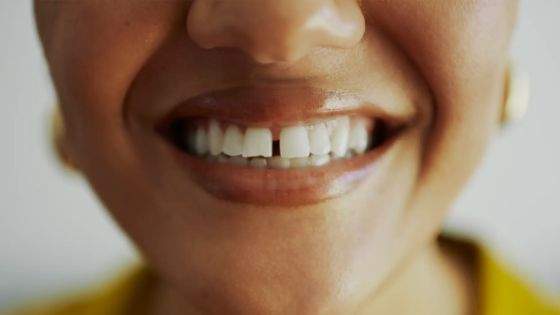
Many women in their 40s and 50s notice an unexpected change in their smile. Teeth that were once well-aligned may suddenly start developing spaces between them. Food begins getting stuck in areas that never caused problems before, and the smile starts to look different.
While this can be concerning, the reason is often linked to a natural phase of life: menopause.
How menopause affects your oral health
Menopause is associated with a decline in estrogen levels. Estrogen plays an important role in maintaining bone health throughout the body, including the jawbone and supporting structures that hold your teeth in place.
As bone density decreases, the tissues and bone supporting the teeth may gradually weaken. This can increase the risk of gum problems and make teeth more susceptible to movement over time.
Why do teeth start moving?
Your teeth are held in a delicate balance between the forces exerted by your tongue on the inside and your lips and cheeks on the outside.
When the supporting bone and gums are healthy, teeth remain stable in their positions. However, if bone loss occurs, even gradually, teeth may begin to shift. One of the most common signs of this movement is the appearance of spaces or gaps between teeth that were previously absent.
Many women first notice:
- New gaps between the front teeth
- Food getting trapped more frequently
- Changes in their bite
- A smile that appears less aligned than before
The importance of gum and bone health
Menopause can also increase the risk of periodontal (gum) disease. Symptoms may include:
- Bleeding gums
- Gum recession
- Persistent bad breath
- Loose teeth
Maintaining healthy gums is essential because the gums and underlying bone provide the foundation that supports your teeth.
Can these gaps be corrected?
The good news is that tooth movement caused by age-related changes can often be treated.
Depending on your individual needs, treatment options may include:
- Clear aligners such as Invisalign
- Ceramic braces
- Other orthodontic solutions designed to gently reposition teeth
At Skin ‘n Smiles, Dr. Latika Dhawan, Invisalign Platinum Provider and experienced smile design expert, frequently helps adults address spacing, crowding, and other orthodontic concerns that develop later in life.
Protecting your smile during menopause
A few simple steps can help support your oral health during and after menopause:
- Maintain regular dental check-ups
- Monitor gum health and address bleeding gums promptly
- Discuss calcium and vitamin D levels with your physician
- Consider bone density evaluations when recommended
- Seek early treatment if you notice gaps or changes in tooth position
Don’t ignore changes in your smile
Many women assume that shifting teeth are simply an unavoidable part of ageing. While menopause can contribute to these changes, modern dental treatments can often help restore both function and aesthetics.
If you’ve noticed new gaps appearing between your teeth or changes in your smile, an early evaluation can help identify the cause and determine the most appropriate treatment options.